

Building a Reading Habit That Actually Sticks
Most children don't hate reading — they just haven't found the right books yet. Discover practical strategies for different ages and reading levels.

The Real Problem With Reading
Here's what we hear from parents all the time: "My child just won't read." But the thing is, that's usually not the real problem. Kids aren't rejecting reading — they're rejecting the wrong books. There's a massive difference.
When you find the right match between reader and book, something shifts. Suddenly they're asking for "just one more chapter." They're reading under the covers with a torch. They're forgetting about screen time entirely. That's the goal — not forcing reading, but making it irresistible.
The Three-Part Foundation
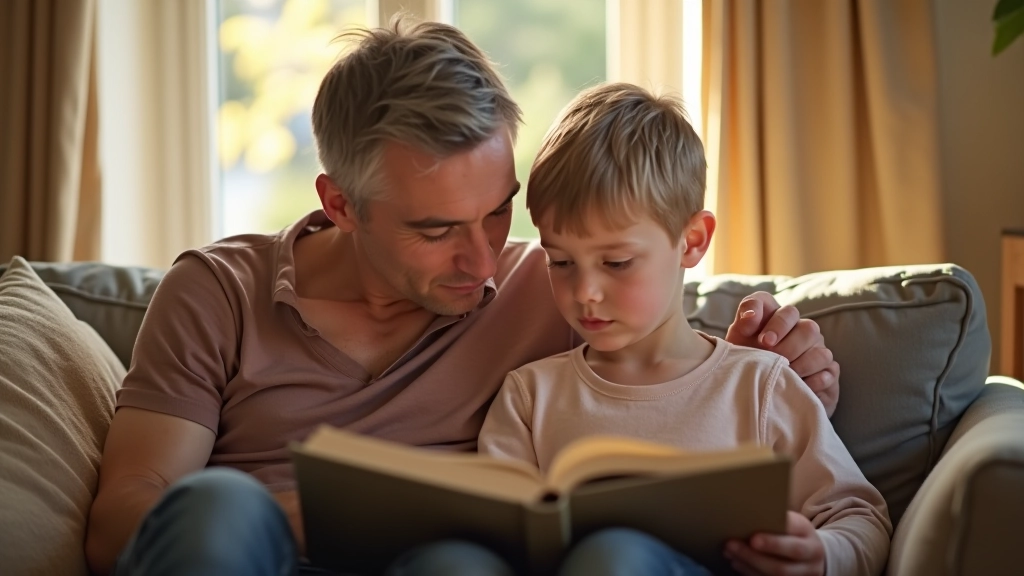
Building a reading habit isn't complicated. It rests on three things: the right book, the right environment, and consistent time.
01
Match Books to Readers
A child aged 7 reading above their level? Frustration. A talented 11-year-old bored by "easy" books? Same problem. The sweet spot is where the story matters more than the difficulty. Interest pulls them through slightly challenging text. That's where growth happens.
02
Create Physical Space
You don't need a fancy reading nook. A comfortable chair, good lighting, and books within arm's reach work. Quiet matters too. Not total silence — background noise is fine — but not the constant interrupt of screens. A dedicated spot signals to your child: this time is for reading.
03
Build Routine Slowly
Fifteen minutes daily beats 90 minutes once a week. Start small — even 10 minutes counts. The goal's consistency, not duration. After 3-4 weeks, it becomes automatic. No negotiation, no reminder. Just part of the day.
What Works for Different Ages
Reading habits look different at 7 versus 14. Here's what's realistic for each stage.
Ages 7-9: Picture Power
Illustrations still matter hugely. Funny stories work better than heartfelt ones. These kids want plot — something happens, then something else happens. Graphic novels aren't cheating; they're often the gateway to longer chapter books. Aim for 15-20 minutes daily. Read aloud together sometimes. They're building confidence, not speed.
Ages 10-12: Series Obsession
This is the sweet spot for habits. Kids discover they can get lost in a story. Series work brilliantly — once they finish book one, they're desperate for book two. Fantasy, adventure, and realistic fiction all thrive here. Twenty to 30 minutes becomes sustainable. They might read multiple books a month. This is momentum building.
Ages 13-16: Selective Readers
Teens get pickier. They know what they like and don't want to waste time. Give them choice — lots of it. Some will read voraciously. Others need permission to pick different genres. Audiobooks count. Book discussions matter. This age group's reading identity is forming. Don't push; support what they're already choosing.

"My son wasn't reading at all until we stopped pushing him to read 'good' books and just let him grab whatever he wanted from the library. Turned out he loved graphic novels about animals. Now he's reading 2-3 books a week. It's completely changed how he sees himself as a reader."
— Lisa, parent
Seven Practical Habits That Work
1
Library Visits Are Free Browsing
Don't hunt for "approved" books. Let your child wander and pick whatever catches their eye. Weird covers, silly titles, books that look "too easy" — all welcome. You're building positive associations with books, not curating a literary education.
2
No Finishing Obligation
If a book isn't working by chapter three, it's okay to stop. You're not wasting anything. You're learning what doesn't work. This prevents the "reading is a chore" feeling entirely.
3
Read Aloud at Any Age
Reading together doesn't end at bedtime stories. Family read-alouds for 15 minutes after dinner work beautifully. You're modeling enthusiasm, enjoying stories together, and creating shared experience.
4
Talk About Books Casually
Not interrogating — just chatting. "That character seems tricky." "Did you like how that ended?" Conversation makes reading feel like a shared interest, not an assignment.
5
Model Reading Yourself
Kids notice what adults do. If they see you reading regularly — books, articles, anything — they'll assume reading's normal. If screens are the default, that's what they'll choose.
6
Audiobooks Are Reading Too
During car journeys, while cooking, while exercising — audiobooks build the same habit. Kids listening to stories are developing vocabulary, following narrative, and enjoying literature. Don't discount it.
7
Track Progress Without Pressure
A simple chart showing books finished (not pages read) creates gentle motivation. Celebrate milestones. But don't turn it into competition or obligation.

Common Obstacles (and How to Overcome Them)
Screen Competition
It's real. Reading takes effort. Gaming or scrolling doesn't. The honest approach: don't ban screens, but create reading time before screen time. Read first, then earn device access. After a few weeks, the reading rhythm becomes automatic.
Anxiety About "Level"
Parents worry: is this book too hard? Too easy? Stop counting levels. Count interest. If your child's engaged, they're learning. Reading slightly-above-level books with interesting stories beats perfect-level books that bore them.
Busy Schedules
No time for reading? Start with 10 minutes. Before bed works. Before school works. Even bedside reading counts. Consistency matters more than duration. Something daily beats nothing for weeks.
The Real Secret: Start Where They Are
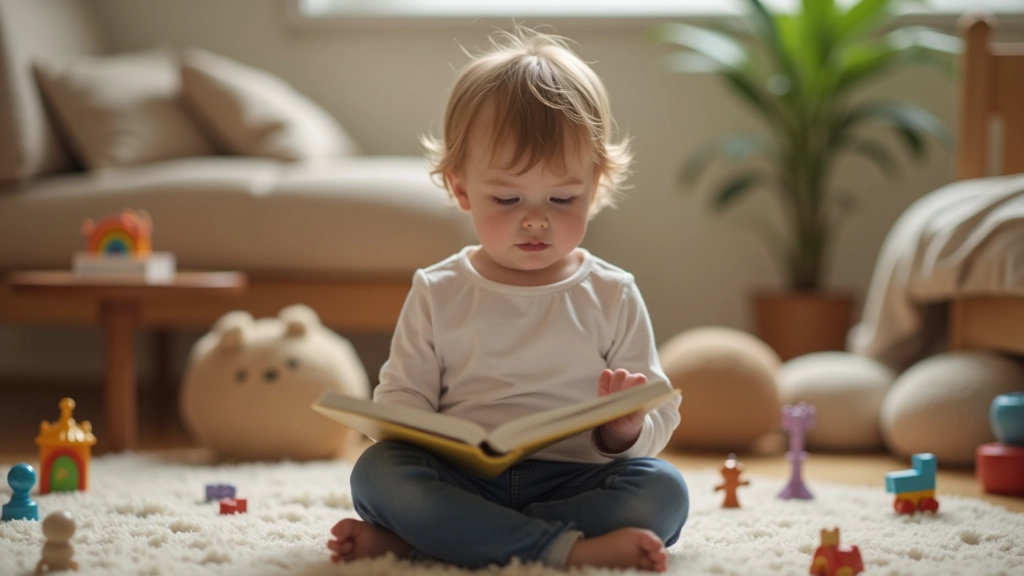
There's no one "right way" to build a reading habit. What works for your 8-year-old won't work for your 13-year-old. What works this month might shift next month. That's fine. You're not aiming for perfection. You're aiming for a child who sees reading as something they can choose, something that's actually interesting, something that belongs in their life.
Start small. Pick one of the strategies above. Give it 3-4 weeks. Notice what shifts. Maybe it's bedtime reading. Maybe it's library visits. Maybe it's graphic novels. It doesn't matter which thread you pull. Once one habit sticks, the others tend to follow.
The habit isn't really about reading more books. It's about raising children who see themselves as readers. That identity shift changes everything.
Related Articles

About This Guide
This article provides educational information about building reading habits in children. Every child develops at their own pace. The strategies shared here are based on common practices and research into child literacy development. If you're concerned about your child's reading progress, consult with their teacher or a reading specialist who can provide personalised assessment and support tailored to your child's individual needs.